Chat
Answers questions and generates content.
For the last two years, Artificial Intelligence has dominated technology conversations.
From ChatGPT and Microsoft 365 Copilot to custom agents and automation platforms, organisations have been exploring how AI can improve productivity, reduce administrative burden and help employees work more effectively.
For many, Copilot represented a significant leap forward.
The ability to draft reports, summarise meetings, analyse data and generate content through natural language transformed how employees interacted with technology.
But according to Microsoft, we’re only at the beginning.
The next phase of AI isn’t about helping people complete work faster.
It’s about intelligent agents becoming active participants in the work itself.
This is the foundation of Microsoft’s Agent First vision.
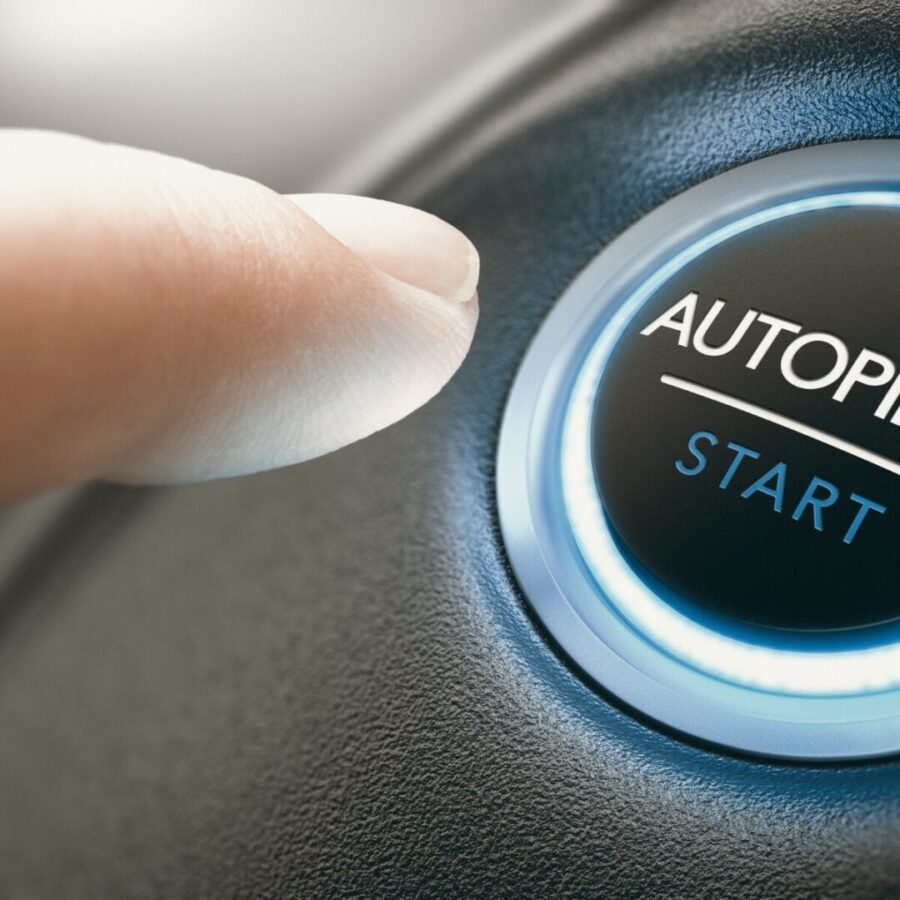
An Autopilot is Microsoft’s vision for a digital worker capable of coordinating activities across people, systems and agents to achieve a specific outcome.
Think of it as a highly capable digital coordinator.
Rather than focusing on a single task, an Autopilot can:
Most importantly, it works continuously.
Not just when prompted.
This represents a major shift in how organisations think about AI.
For the first time, AI moves beyond task execution and into outcome management.
Answers questions and generates content.
Helps individuals complete work more efficiently.
Perform specific business functions or support defined processes.
Finds, analyses and connects information across the organisation.
Interacts with systems and applications like a human user.
Coordinates all of the above to achieve a desired outcome.
If Copilot is your assistant, Agents are your specialists, Scout is your researcher and OpenClaw is your operator, then Autopilot is the coordinator bringing everything together.
One of the most exciting capabilities emerging within Microsoft’s roadmap is Scout.
Most employees spend significant amounts of time searching for information.
Meeting notes.
Emails.
Policies.
Project updates.
Reports.
Actions.
The challenge isn’t a lack of information.
It’s finding the right information at the right time.
Scout is designed to solve this problem.
Think of Scout as an intelligent organisational researcher working continuously in the background.
Rather than waiting for questions, Scout proactively helps users stay informed, prepared and focused.
Imagine arriving at work and receiving:
Instead of spending the first hour of your day gathering information, Scout has already done the research.
The result is less searching and more action.
Microsoft Fabric is becoming a critical foundation for AI-ready organisations.
Fabric helps bring together data from multiple sources into a single, governed platform.
This creates:
Better visibility
Improved analytics
Trusted business context
Stronger governance
Enhanced AI outcomes
Importantly, Fabric also lays the groundwork for capabilities such as Fabric IQ and Agent First.
As organisations begin exploring Human-Agent Teams, data readiness becomes even more important.
Agents need context.
They need access to:
Organisational knowledge
Business processes
Operational data
Performance information
Historical activity
Without this context, agents remain limited.
With it, they can provide genuinely valuable support.
Ask yourself:
If the answer to several of these questions is “no”, your data foundations may need attention before you scale AI initiatives.
The organisations seeing the greatest value from AI are not necessarily those with the most advanced technology.
They are often the organisations with the strongest data foundations.
Clean, connected, governed data creates:
In the age of AI, data is no longer simply an operational asset.
It is a strategic advantage.
Every organisation wants smarter AI.
The organisations that achieve it understand a simple truth:
AI readiness starts with data readiness.
Before you build more agents, deploy more Copilots or explore Agent First, make sure your data foundations are ready to support the future you’re trying to create.
Ready to Go Beyond the Blog?
This article is just one part of our Human + AI Working Together guide series. Access all seven chapters plus the Agent First Glossary to discover how AI agents, Human-Agent Teams and digital labour are reshaping the future of work.
Download the Complete Guide Series by completing the form below.