
Enhancing Digital Clinical Safety in the NHS with Microsoft Planner
The BHRUT and CPS team examine the toolkits and strategies used to enhance digital clinical safety.
Published 14/07/2026
Author: The CPS Team
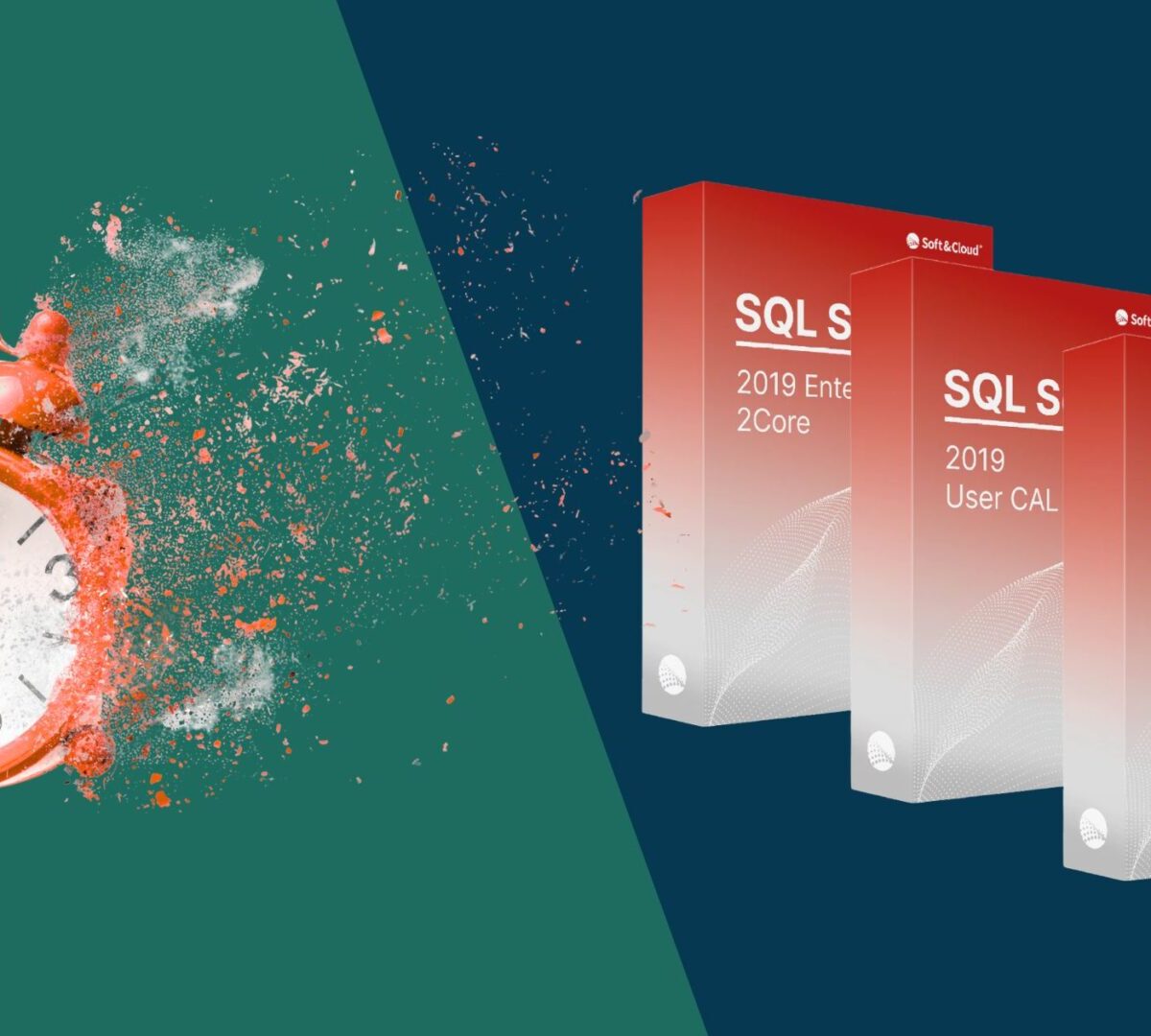
While that may seem several years away, many organisations have already reached a more significant milestone, mainstream support ended in February 2025. From that point onwards, SQL Server 2019 has only received security updates, with no new features, performance improvements or non-security fixes.
For many IT leaders, that raises an important question: do you wait until 2030, or start modernising now?
The answer depends on more than support dates. It depends on your organisation’s security posture, compliance requirements, cloud strategy and, increasingly, your ambitions around AI.
Microsoft’s Fixed Lifecycle Policy provides approximately five years of mainstream support followed by five years of extended support.
For SQL Server 2019, the key dates are:
During extended support, Microsoft continues to provide critical security updates, but organisations no longer receive:
In other words, your databases remain supported from a security perspective, but the platform is no longer evolving.

Many organisations understandably see 2030 as the date to act. In reality, leaving upgrades until the final year often creates unnecessary cost, complexity and risk.
Although security updates continue during extended support, older platforms naturally become harder to secure as modern cyber threats evolve. Organisations operating in regulated industries also face increasing scrutiny around unsupported or ageing infrastructure, making long-term planning essential.
SQL Server has moved on significantly since 2019.
Newer releases introduce improvements in:
• Performance and query optimisation
• High availability and resilience
• Intelligent monitoring
• Hybrid cloud integration
• Built-in security enhancements
• AI-enabled database capabilities
Remaining on SQL Server 2019 means missing years of innovation that could improve performance while reducing operational overhead.
Database upgrades rarely happen in isolation.
Applications, integrations, reporting platforms and dependent services often require assessment before migration. The longer organisations postpone these projects, the more technical debt accumulates and the larger the eventual migration becomes.
One of the biggest reasons organisations are reviewing SQL Server estates isn't simply lifecycle support.
It's AI.
Whether you're implementing Microsoft Copilot, building agents with Copilot Studio or developing intelligent business applications, your data platform becomes increasingly important.
AI relies on:
• Trusted, governed data
• Reliable performance
• Strong security controls
• Modern integration capabilities
An ageing database platform can quickly become the bottleneck that slows wider digital transformation.

For organisations wanting to remain on-premises while gaining modern performance, security and hybrid capabilities, SQL Server 2022 provides a natural upgrade path with support through 2033.
Although SQL Server 2019 remains under extended support until January 2030, organisations that begin planning now will have significantly more flexibility.
A phased assessment allows you to:
The organisations seeing the greatest value are treating database modernisation as part of their broader digital transformation, not simply an infrastructure refresh.

At CPS, we help organisations modernise Microsoft platforms with minimal disruption.
Our consultants can assess your existing SQL Server estate, identify upgrade options and develop a roadmap aligned to your wider Microsoft strategy, whether that’s SQL Server 2022, SQL Server 2025 or Azure.
Rather than waiting for support deadlines to dictate your plans, we’ll help you build a modern data platform that’s ready for AI, Microsoft Copilot and future innovation.
Contact CPS to discuss your upgrade strategy before SQL Server 2019 reaches the end of extended support.

Explore more insights
The BHRUT and CPS team examine the toolkits and strategies used to enhance digital clinical safety.

The healthcare sector is under immense pressure. From rising patient demands to complex regulatory requirements, healthcare leaders face daily challenges to deliver exceptional care while ensuring smooth operations. But what if technology could help ease that burden?

Explore how AI and Microsoft Copilot empower NHS teams to work smarter, faster, and deliver better patient care.